


Have you ever considered using digital mental health in your work but not sure how?
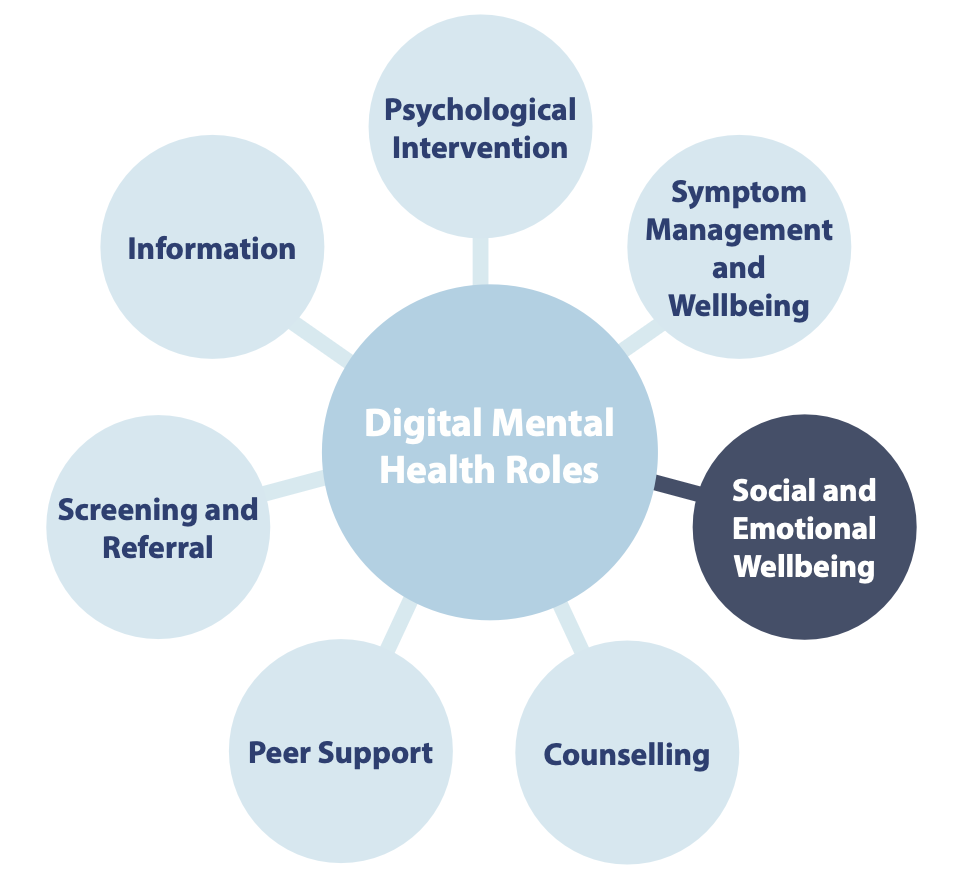
Digital mental health can support care in many different ways, from providing information and screening tools to delivering counselling, peer support, symptom management tools, and evidence-based psychological interventions. The role it plays depends on the needs of the person and the level of support they require.
There are many ways to integrate digital tools into your practice. Here are a few to get you started…
Referral
Referring a person to a resource or service and, where possible, following up to monitor their engagement and outcomes.
Referral can be a useful option when someone is waiting to access services, faces barriers to care, or would benefit from additional support between appointments. Digital resources can help people start building skills and accessing support sooner.
Example: A GP refers a patient experiencing mild anxiety to the free online CBT-based program from This Way Up, encouraging them to complete modules while waiting for psychology appointments. The GP checks in at the next appointment to discuss progress and any challenges using the program.
Guided Support
Guiding or coaching your patient or client through an online psychological intervention.
Guided support can improve engagement with digital interventions and allows practitioners to help people apply what they have learned to their everyday lives.
Example: A clinician supporting a new mother experiencing symptoms of perinatal anxiety and depression recommends MumMoodBooster. At subsequent appointments, they discuss the program content, address any questions arising from the modules, and help the client apply coping strategies in day-to-day life.
Guided Support can also mean referring someone to a digital service that includes one-to-one guidance from a clinician or other trained facilitator. Support may be provided via phone, webchat or email.
Example: A practitioner refers an adult experiencing anxiety and depression to MindSpot, where they can access an online treatment course with support from a clinician throughout the program.
Blended Care
Combining digital and standard intervention elements as part of a comprehensive, tailored treatment plan.
Blended care allows practitioners to extend treatment beyond appointments while giving people opportunities to practise skills in their own time.
Example: A clinician treating a person with an eating disorder incorporates the InsideOut eClinic Toolbox into their care plan, using sessions to review insights from the online resources and support behaviour change.

Learn more about how to use digital mental health in practice by downloading our Practical Guide for Health Practitioners. You can also download a free hard copy though our order form.
About the author