

This month our featured service is the Autistics’ Guide to Adulthood, an online resource helping people with autism transition into adulthood, in acknowledgement of Neurodiversity celebration week, starting on March 16th.
About the Autistics’ Guide to Adulthood

The Autistics’ Guide to Adulthood is a free, accessible online information resource teaching life skills to autistic adults. This self-paced, online, life-skills resource was co-designed by autistic people and professionals working with a national advisory group to support autistic adults, with the support of the Australian Government Department of Social Services, Autism South Australia and the University of Adelaide.
The Autistics’ Guide to Adulthood offers a range of learning modules to help autistic adults learn more about adulthood and achieve their goals. There are ten life-skill modules which can be accessed in any order covering topics including;
- Communication,
- employment,
- friendship,
- living independently,
- mental health,
- physical health,
- self-advocacy,
- education,
- romantic relationships, and
- entertainment, recreation and leisure.
Each module takes between 5 to 7.5 hours to complete, offering useful information, strategies and activities, as well as first-hand reflections and personal anecdotes from the Autistics’ Guide to Adulthood National Advisory Group.
Registered user of the Autistics’ Guide to Adulthood will have their own dashboard where they can access the full course catalogue, and keep track of their progress. There is no requirement to complete the modules, with users able to choose to any, or all, and work through at their own pace.
Who is the Autistics’ Guide to Adulthood for?
The Autistics’ Guide to Adulthood is designed to support autistic adults and members of the Autistic community, seeking help with issues like making friends, self-care, entering the workforce, advocating for their needs and more.
Benefits of the Autistics’ Guide to Adulthood
Autistics’ Guide to Adulthood modules are secure, safe, and fun online environment, allowing autistic adults to face challenges at their own pace.
Each module has been co-designed with an advisory group of autistic adults from across Australia and informed by research, ensuring there are specifically tailored to autistic adults.
How can Health Practitioners use the Autistics’ Guide to Adulthood
Health practitioners can refer their autistic clients or patients to the Autistics’ Guide to Adulthood to help support them in transitioning to adulthood and independence. Practitioners may recommend specific modules that align with client goals, such as employment, self-advocacy or mental health, and use them as structured between-session learning to reinforce skills and reflection.
The Guide can also support goal setting, transition planning (including NDIS goals), and strengths-based psychoeducation. Practitioners may find it helpful to explore the modules themselves to better understand autistic adults’ lived experiences.
Is there a cost to use the Autistics’ Guide to Adulthood?
The Autistics’ Guide to Adulthood modules are free to access at any time.
How to access the Autistics’ Guide to Adulthood?
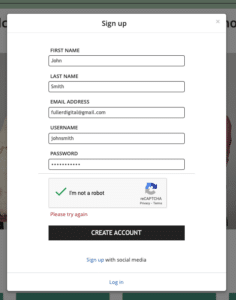
Users can register to the Autistics’ Guide to Adulthood online at https://autisticsguide.talentlms.com/ and complete all fields, including their first name, last name, email address and creating a username and password.
After completing the sign up form users will be sent a confirmation email to verify their account and log in.
Autistics’ Guide to Adulthood Research and Evaluation
The content offered in the Autistics’ Guide to Adulthood was developed using a co-design and evidence-informed approach, drawing on both research and the lived experience of their National Advisory Group. The project was developed through an Australian Government funded initiative led by Autism SA, with autistic adults employed on the project team and contributing through surveys, interviews, literature reviews and content development, ensuring the modules reflect both evidence and community input.
About the author